Blog
Does a Paid Loyalty Program Make Sense for My Brand?
Read more


TL;DR: A global brand needs a global loyalty framework, not the same program copied into every market. Standardize the things that protect the brand and the economics: strategy, member promise, data and measurement, core platform, and governance. Localize the things customers actually feel: earn rates, rewards, redemption thresholds, tiers, and promo calendars. Do it well and you get one connected program that still feels relevant everywhere. Globally governed, not globally identical.
For global brands, loyalty can get complicated quickly.
At first, the goal sounds simple enough: create one program, roll it out across markets, and give customers a consistent experience wherever they engage.
Then reality shows up.
Customers in one market may expect points. Customers in another may care more about access, experiences, or instant discounts. One region may have a sophisticated mobile ecosystem, while another still relies heavily on stores and email. Currencies, regulations, margins, customer behaviors, and even the meaning of “value” can vary widely.
Suddenly, one global loyalty program starts to look less like a simple solution and more like a very complicated puzzle. So, does a global brand actually need a global loyalty program?
The answer is yes – but probably not in the way you think.
A global brand usually needs a global loyalty framework, not an identical loyalty program in every market. The strongest global loyalty strategies are built on a shared foundation, with enough flexibility to stay relevant locally. In other words: think globally governed, not globally identical.

When brands begin exploring a global loyalty strategy, the conversation often starts internally. Who will own the program? Which team controls the budget? Can the current loyalty platform support every region? Which markets can/should we launch first?
All important questions. But before getting too far into the operating model, brands should first ask whether customers actually experience the brand in the same way across markets.
Consider:
The answers may be very different from one region to the next.
A hospitality brand, for example, may serve international travelers who expect their status and benefits to follow them around the world. In that case, a connected, multi-country loyalty program may be essential.
Example: Marriott Bonvoy is a single connected program spanning roughly 30 brands and more than 100 countries. A member who earns points in Tokyo can redeem them for a stay in Madrid and keep their elite status the whole way. For a brand whose customers cross borders constantly, that global connectivity is the value.
A retailer, however, may have different product assortments, pricing, store formats, and ecommerce capabilities by market. Customers may rarely shop outside their home country. A single, identical program could create more friction than value.
Example: Sephora runs its Beauty Insider program with region-specific tiers, rewards, and earn mechanics rather than one identical structure worldwide, because a beauty shopper in the US and one in Southeast Asia rarely overlap.
The first rule of global loyalty is simple: a global brand presence does not automatically mean customers have a global brand experience.
Not sure where your own markets land? The Global Loyalty Decision Guide is a free workbook that walks you through scoring each market, mapping which elements stay global versus local, and choosing the operating model that fits. Turn this framework into a recommendation you can take to your team.
Sameness is not always valuable.
There are good reasons global brands want consistency. A shared program can strengthen the brand, simplify operations, reduce duplicated technology, and create a more connected view of the customer. It also gives regional teams a strong starting point instead of asking every market to design from scratch.
But consistency and sameness are not the same thing.
Consistency means customers recognize the program, understand what it stands for, and receive a reliable experience. Sameness means every market uses the exact same earn rate, reward structure, tier thresholds, offers, and operating processes – even when local market conditions are completely different.
That is where global loyalty programs can go sideways. The goal is not to abandon global consistency. It is to be clear about where consistency creates value and where loyalty program localization creates a better customer and business outcome.
The global foundation should include the elements that define the strategy, protect the economics, and keep the organization operating as one connected business.
Every market should understand why the loyalty program exists. The objectives may vary: one region may focus heavily on retention, while another is more concerned with cross-category growth. But the overall role of loyalty should remain connected to the brand’s broader customer strategy. Without that shared direction, regional programs can quickly become a collection of unrelated promotions rather than one strategic capability.
The loyalty program should feel like it belongs to the same brand everywhere. That does not mean every benefit must be identical. It means the underlying member value proposition should be consistent. The expression can change. The promise should not.
This may be one of the least glamorous parts of global loyalty, but it is also one of the most important. Brands need shared definitions for:
The goal is not to compare every region as though it is identical. It is to ensure global reporting is built on shared definitions and comparable data.
A global loyalty platform should allow the organization to manage customer identity, program rules, data, permissions, reporting, and integrations consistently. That does not mean every market needs the same configuration. It means markets should be able to operate differently without requiring completely separate technology solutions.
Someone needs to decide which choices are global, which are local, and which require shared approval. Without clear decision rights, the central team can become a bottleneck – or local decisions can slowly pull the program apart. Neither option scales well.
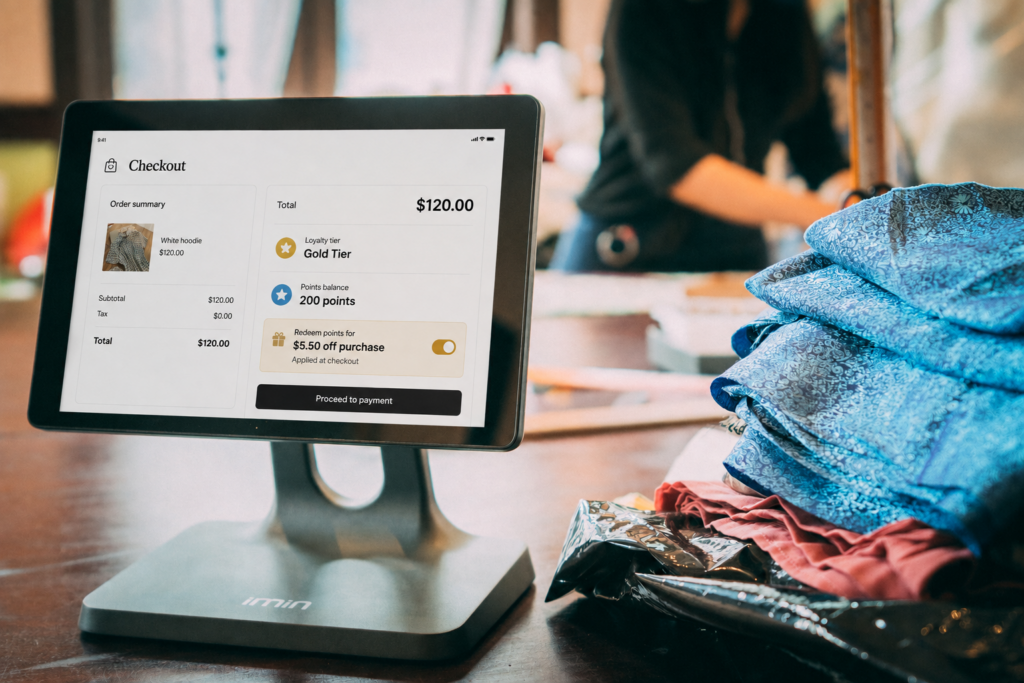
Once the global guardrails are clear, regional teams need room to make the loyalty program work in their market. The most common areas for localization include:
Markets may need different earn rates, qualifying activities, or transaction thresholds. A global framework might establish the role of the loyalty currency and its intended value, while local markets configure how members earn based on local economics and customer behavior.
Example: Starbucks Rewards keeps one recognizable Stars concept worldwide, but what a Star is worth, how quickly you earn, and what you can redeem for all vary by market. Same currency, locally tuned math.”
Reward preferences are rarely universal. Some customers may prefer cashback-style value. Others may respond to experiences, access, services, or partner offers. Regional teams are often better positioned to understand what will actually motivate customers locally.
Currency conversion alone does not solve for market differences. Pricing, purchase frequency, margins, and customer expectations may all affect what makes a reward feel achievable and worthwhile.
The meaning of loyalty tiers can remain globally consistent while qualification thresholds or benefits vary. The top tier may always represent a brand’s most valuable customers, but what members must do to qualify (and which benefits matter most) may differ by region.
Regional teams should be able to respond to local holidays, product launches, seasonal patterns, competitive events, and business priorities. A global campaign calendar can still provide structure, but it should not prevent markets from acting on relevant local moments.
This is the big concern. Give markets too little control, and the program may be irrelevant. Give markets complete control, and the organization may end up with 20 separate loyalty programs sharing little more than a logo. The solution is not to remove local flexibility. It is to make that flexibility intentional.
The blueprint should outline:
This gives markets a clear starting point and prevents every local decision from becoming a brand-new design project.
Markets should not need to build every earn model, reward journey, promotion, or communication from scratch. Approved templates can help regional teams move quickly while protecting brand and program consistency.
Technology should support variation without fragmentation. A global loyalty platform should allow brands to manage:
The goal is one connected loyalty ecosystem – not a growing collection of separate instances, data models, and integrations.
A global loyalty center of excellence can provide strategy, governance, standards, training, measurement, implementation support, and shared learnings. It should not simply approve or reject regional ideas. At its best, it gives markets the tools and expertise to move faster within clear guardrails.

Global brands need a shared view of performance, but not every market should be held to the same expectations. A mature loyalty program in a large market may be focused on incremental revenue, retention, and customer lifetime value. A newly launched program may still be building awareness, enrollment, and customer identification.
Both can be successful. They are simply at different stages of loyalty program maturity.
Global reporting should use consistent definitions for metrics such as active members, reward participation, retention, incremental revenue, and program cost. Local reporting should help teams diagnose what is driving performance through measures such as tier distribution, redemption rate, category participation, and campaign response.
The global view tells you how the loyalty program is performing. The local view helps explain why.
Yes – but not necessarily one identical program everywhere.
The strongest global loyalty models create:
They also create room for:
The choice is not between global control and local relevance. The opportunity is to design a global loyalty program that can deliver both. Because ultimately, customers do not care how neatly the program fits into the organizational chart. They care whether it feels valuable, relevant, and easy to use wherever they engage with the brand.
And that is the real test of global loyalty.
Not sure where your own markets land? The Global Loyalty Decision Guide is a free workbook that walks you through scoring each market, mapping which elements stay global versus local, and choosing the operating model that fits. Turn this framework into a recommendation you can take to your team.